
My Boss Tried to Ruin My Kid’s Birthday — I Fought Back, and Things Got Ugly

People
month ago

Your digestive system works quietly behind the scenes, but when something goes wrong with your colon, early detection can be lifesaving. Many serious conditions develop gradually, making it easy to overlook symptoms until they become severe. Being aware of potential warning signs empowers you to take action before minor issues escalate into major health concerns.
IMPORTANT NOTE: THIS INFORMATION IS EDUCATIONAL ONLY AND SHOULD NOT REPLACE PROFESSIONAL MEDICAL ADVICE. ALWAYS CONSULT YOUR HEALTHCARE PROVIDER ABOUT ANY HEALTH CONCERNS OR SYMPTOMS YOU EXPERIENCE.



When your stool consistently appears narrower than usual—sometimes described as pencil-thin—it may suggest something is partially blocking your colon. While occasional variations are typically harmless, persistent changes deserve medical attention. This narrowing occurs when growths or obstructions restrict the pathway through your intestinal tract, preventing waste from passing normally.

Blood in the stool (rectal bleeding) can be a sign of colon (colorectal) cancer because a bleeding tumor or polyp in the colon or rectum can leak blood into the bowel, sometimes turning the stool bright red or, if the bleeding is higher up, making it look darker. At the same time, blood in stool is not specific to cancer and is often caused by more common problems such as hemorrhoids or other benign conditions. Because colorectal cancer and polyps don’t always cause symptoms early on, any persistent, recurrent, or unexplained bleeding—especially if it comes with a change in bowel habits, belly pain, fatigue, or weight loss—should be checked by a clinician to find the cause and rule out colorectal cancer.

A sudden shift in how often you need the bathroom, particularly when accompanied by changes in stool consistency or urgent feelings, warrants investigation. Some individuals experience loose stools, while others feel a constant need to go without being able to fully empty their bowels. These disruptions can indicate that something is interfering with your colon’s normal functioning. Unexplained, lasting changes to your bathroom routine should prompt a medical consultation.

Persistent pain in the lower right side of the abdomen, just below the ribcage, is sometimes mistaken for a minor or external issue, such as discomfort caused by clothing or posture. Because the pain may seem manageable at first, it is often dismissed for months. In some cases, however, this discomfort can be linked to more serious underlying conditions. When tumors or obstructions develop in the colon, they can create blockages that lead to significant abdominal pain, most commonly felt in the lower abdomen. Ongoing abdominal pain—especially when accompanied by changes in digestion—should never be overlooked.
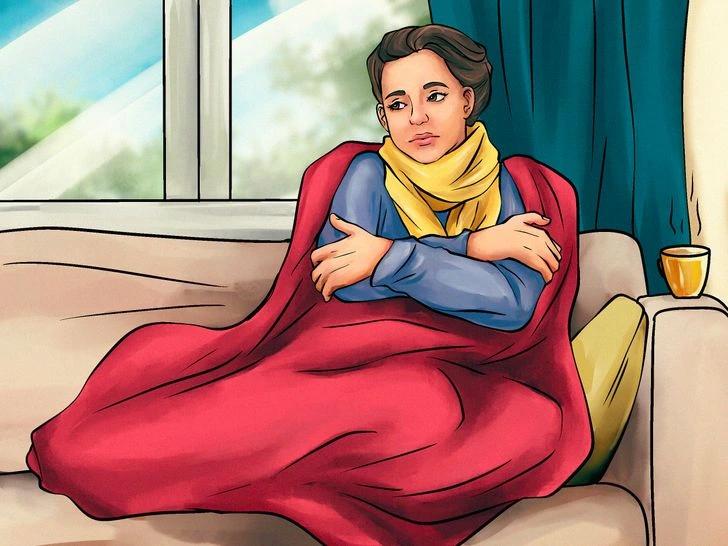
Experiencing relentless exhaustion that doesn’t improve with adequate sleep is different from normal tiredness. This type of fatigue may be accompanied by lightheadedness or difficulty breathing. When fatigue becomes chronic and has no clear explanation, it could signal an underlying health problem affecting your digestive system or overall wellness. This symptom deserves medical evaluation to identify the cause.

While occasional bloating is common and usually harmless, frequent or painful swelling that doesn’t respond to dietary adjustments could indicate a more serious problem. Intestinal blockages can trap gas and cause uncomfortable distension. Many people brush off bloating as a normal digestive quirk, but when it becomes a regular occurrence or causes significant discomfort, it’s time to speak with a healthcare professional. In certain cases, bloating may be a sign that something is obstructing normal digestive function.
Your skin isn’t the only organ that can show silent warning signs. Your liver also sends subtle signals when something’s wrong—but most people miss them until it’s too late. Knowing what to look for could help you catch problems early. Read on!


