


12 Unexpected Discoveries Made by People Who Came Home Early

Stories
8 months ago

When something isn’t right inside your body, it rarely goes unnoticed. Even the smallest imbalance can trigger a ripple effect, and your body will often try to get your attention through subtle — and sometimes obvious — warning signs. Learning to recognize these signals early can help you uncover underlying issues and take steps to restore balance.
The content provided is for informational purposes only and is not intended to be a substitute for professional medical advice, diagnosis, or treatment. Always seek the advice of your physician or other qualified healthcare provider with any questions you may have regarding a medical condition.
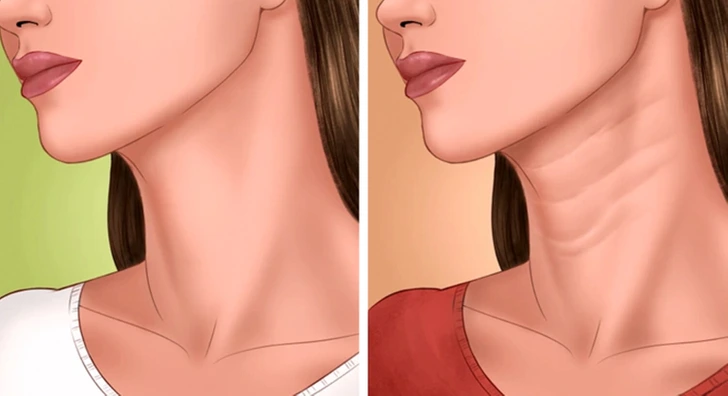

Deep wrinkles might be more than just a cosmetic concern — they could be a sign of something happening beneath the surface.
In postmenopausal women, declining estrogen levels can weaken bones over time. One surprising early indicator of reduced bone density and a higher risk of fractures is the appearance of pronounced neck wrinkles. To help maintain bone strength and prevent osteoporosis, calcium and vitamin D supplements are often recommended.
These wrinkles may also point to an underactive thyroid. When thyroid function slows down, it can cause subtle changes in the skin, including increased wrinkling and dryness. Thyroid hormones also play a role in collagen production, which is essential for firm, youthful skin.
Paying attention to these early signs and consulting a healthcare provider can help detect and treat underlying issues before they become more serious.
Water retention can make you feel heavier than usual and less active than normal. Other possible signs include:
If these symptoms persist or worsen, it’s best to consult a healthcare professional for guidance.

Wondering if your hair has high porosity? Here’s a quick test:
Drop a clean, dry strand of hair into a glass of water. If it sinks quickly to the bottom, your hair likely has high porosity — meaning it soaks up water and products fast, dries quickly, but often feels dry, rough, or frizzy.
To care for high-porosity hair, reach for rich, moisture-locking products like oils and butters. These heavier ingredients help seal hydration in. Adding a deep conditioning treatment once a week can also strengthen strands and improve softness and manageability.

Mouth ulcers are often caused by everyday triggers like smoking, allergies, accidental tongue biting, or inflammation.
But if none of these apply, the root cause could be a deficiency in vitamin B12, iron, or folate — nutrients essential for red blood cell production and tissue repair. These deficiencies tend to develop slowly over time, making them easy to overlook.
Additional signs to watch for include fatigue, dizziness, muscle weakness, and an irregular heartbeat. If you’re noticing these symptoms alongside recurring ulcers, it’s important to adjust your diet and consider supplements to help restore balance and support your overall health. Consulting a healthcare provider can guide you toward the right solution.

If your eye is swollen and it’s not due to an infection or allergies, the most likely cause could be excess salt in your diet. High sodium intake causes the body to retain water, which can lead to puffiness — especially around the eyes. To reduce swelling, try cutting back on salt and increase your potassium intake through foods like bananas, spinach, or sweet potatoes.
Other possible causes of swollen eyes include Graves’ disease, a blocked tear duct, smoking, or simply lack of sleep.
Once you identify the underlying cause, you can try gentle home remedies like cold compresses, used tea bags, or light facial massage to reduce puffiness.
But if the swelling continues despite your efforts, it’s important to see a doctor to rule out more serious conditions and receive the right treatment.

Peeling nails and dry, flaking cuticles are often signs of iron deficiency or dehydration.
If left untreated, iron deficiency can lead to anemia, which may cause more serious symptoms like fatigue, shortness of breath, or even chest pain. Other possible causes of weak or unhealthy nails include an underactive thyroid, lung conditions, or kidney disease.
To support nail health at home, focus on an iron-rich diet (like leafy greens, legumes, and red meat) and keep your nails well-moisturized with nourishing oils or creams.
Noticing white spots on your nails? These could result from:
If you suspect a nutritional cause, a simple blood test can help identify the deficiency so you can take targeted action with the right supplements or dietary adjustments.
A healthy tongue is usually pink in color. If white patches begin to appear, it could be a sign of oral thrush, which is more common in people with diabetes. In some cases, it may also point to poor oral hygiene, and improving your daily oral care routine could help resolve the issue.
If the patches persist or worsen, it’s a good idea to consult a healthcare professional for proper advice.
Paying attention to these subtle signals can help you catch potential health issues before they worsen. Your body is constantly communicating with you — and learning to listen can play a vital role in protecting your long-term health and well-being.


