


Hahahah
Reply

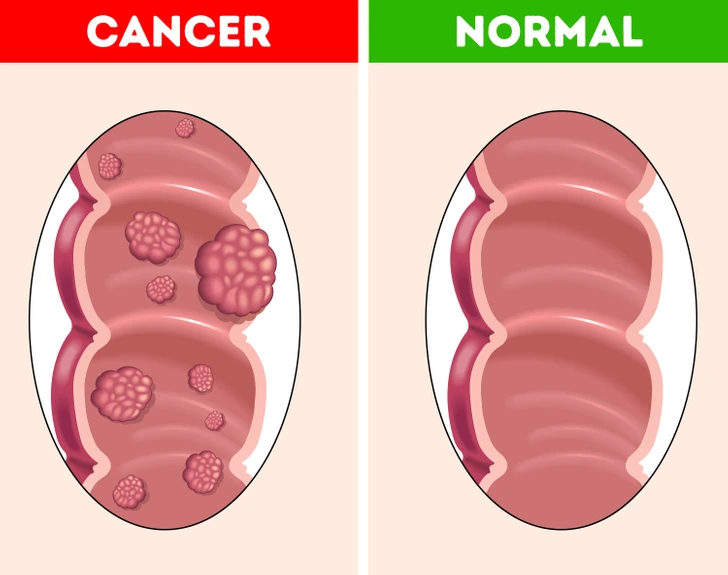
Serious colon issues often develop quietly, making early symptoms easy to overlook. Conditions like colon cancer can start with subtle changes. Here are five warning signs you should pay attention to.
The content provided is for informational purposes only and is not intended to be a substitute for professional medical advice, diagnosis, or treatment. Always seek the advice of your physician or other qualified healthcare provider with any questions you may have regarding a medical condition.

TikToker Radwah Oda went viral after courageously sharing her colon cancer diagnosis in a video meant to raise awareness. She spoke openly about the subtle symptoms she initially overlooked and encouraged viewers to listen to their bodies. “If you have any of these symptoms, don’t panic — but do see a doctor. Advocate for yourself,” she urged.
Although colon cancer is often linked to older adults, it can develop at any age — sometimes with no obvious symptoms until it progresses. That’s why recognizing early warning signs is so important for better outcomes.

Constipation or diarrhea can also signal possible colon cancer, particularly when they last for several days or keep coming back. These shifts in bowel habits may occur if a tumor disrupts the colon’s normal function, leading to blockage or irritation. If you’re experiencing ongoing constipation or diarrhea without a clear reason, it’s important to have it checked by a doctor.
Persistent belly swelling isn’t always just a harmless digestive issue — it can signal something more serious. Colon cancer, for example, can partially block the intestines, trapping gas and causing discomfort and visible bloating.
Many people shrug off bloating as nothing significant, but if it’s frequent, painful, or doesn’t improve with dietary changes, it’s important to get it checked. In some cases, a tumor disrupting normal digestion may be the cause, making early evaluation crucial.

More frequent bathroom visits aren’t always alarming, but a sudden increase — especially when combined with changes in stool consistency or urgency — can signal an underlying problem.
In some cases, colon cancer can trigger diarrhea; in others, it can create a persistent urge to go without true relief. These issues arise when a tumor disrupts normal bowel function. If you notice ongoing changes in your bathroom habits with no clear cause, it’s important to consult a doctor.

Radwah Oda shared that one of the earliest symptoms she brushed aside was a sharp pain on the lower right side of her torso, just beneath her breast. She assumed her bra was too tight and ignored it for months, unaware it could be a sign of something more serious.
A tumor in the colon can cause a blockage that prevents stool from moving through properly, leading to significant pain — often felt on the lower left side of the abdomen. If you experience ongoing abdominal pain or notice changes in your bowel habits, it’s important to see a doctor instead of dismissing these potential warning signs.
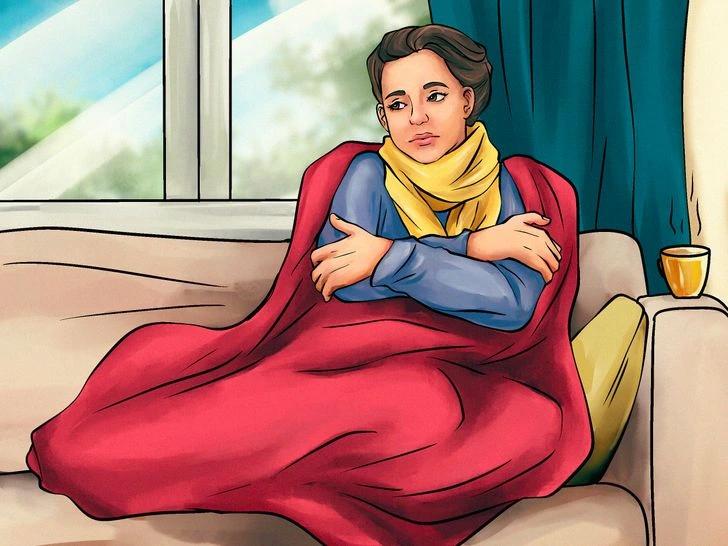
Constant fatigue — even after a full night’s sleep — can be more than ordinary tiredness. When exhaustion lingers and is paired with symptoms like dizziness or shortness of breath, it may signal an underlying health problem. If you’re regularly feeling drained without a clear explanation, it’s important to look into possible medical causes, including conditions related to the colon.

Blood in the stool can be a sign of colorectal cancer because a bleeding tumor or polyp may leak blood into the bowel, making the stool look bright red or darker. However, rectal bleeding is often caused by more common issues like hemorrhoids. Since colorectal cancer and polyps may not cause early symptoms, any persistent or unexplained bleeding — especially with changes in bowel habits, abdominal pain, fatigue, or weight loss — should be evaluated by a healthcare professional to rule out serious causes.
Some people may also feel as though they haven’t fully emptied their bowels. Even after using the bathroom, there can be a lingering sensation that stool remains. This feeling can sometimes indicate early changes occurring in the colon.
Be sure to check out our other article featuring signs your body might be telling you you’re gluten intolerant.


